
Geopolitical Ripples: Nvidia Probe Raises Questions for African AI Innovation
Explore how the Nvidia espionage investigation impacts global AI infrastructure and what it means for developers, businesses, and universities across South…

The global AI landscape, increasingly defined by its reliance on advanced semiconductor technology, is currently navigating significant geopolitical currents. At the heart of a recent investigation is US chip behemoth Nvidia, whose leadership has been linked to a suspected Chinese intelligence operative. This development, while unfolding thousands of kilometres away, casts a long shadow over the foundational infrastructure of AI, prompting a critical examination of supply chain security, trust, and international collaboration.
The Nexus of Chips and Espionage
Reports emerging from the US indicate that American officials suspect Alice Huang, formerly the managing director of Singapore-based data centre company Megaspeed, of working for China's intelligence agency to gather sensitive information. The investigation intensified following allegations of a close relationship between Alice Huang and Nvidia's CEO, Jensen Huang. While China vehemently denies these claims, labelling them “groundless, speculative and intended to smear and malign China,” Nvidia has acknowledged it is investigating the reports. The company maintains that it currently has no reason to believe its proprietary secrets or national security interests have been compromised, but has committed to examining all available information.
This incident underscores the intense strategic competition surrounding advanced technology, particularly AI-enabling hardware. Nvidia's graphic processing units (GPUs) are the indispensable engines powering everything from cutting-edge AI research to large-scale data centres. Any perceived vulnerability in such a critical supply chain can trigger widespread concern, influencing investment, partnerships, and national tech strategies globally.
Global Implications for AI Infrastructure
The allegations, irrespective of their ultimate substantiation, highlight the inherent risks in a highly interconnected global tech ecosystem. For the AI industry, where innovation is often a collaborative, cross-border endeavour, such probes can erode trust and complicate partnerships. The sensitivity around intellectual property, data sovereignty, and national security is amplified when key players in the hardware supply chain are under scrutiny. This could lead to increased due diligence requirements, tighter export controls, and a greater emphasis on secure, diversified supply chains – all of which can impact the pace and cost of AI development worldwide.
The South Africa / Africa Angle
The unfolding situation around Nvidia holds significant implications for the rapidly expanding AI ecosystem across South Africa and the broader African continent, touching developers, businesses, and universities alike.
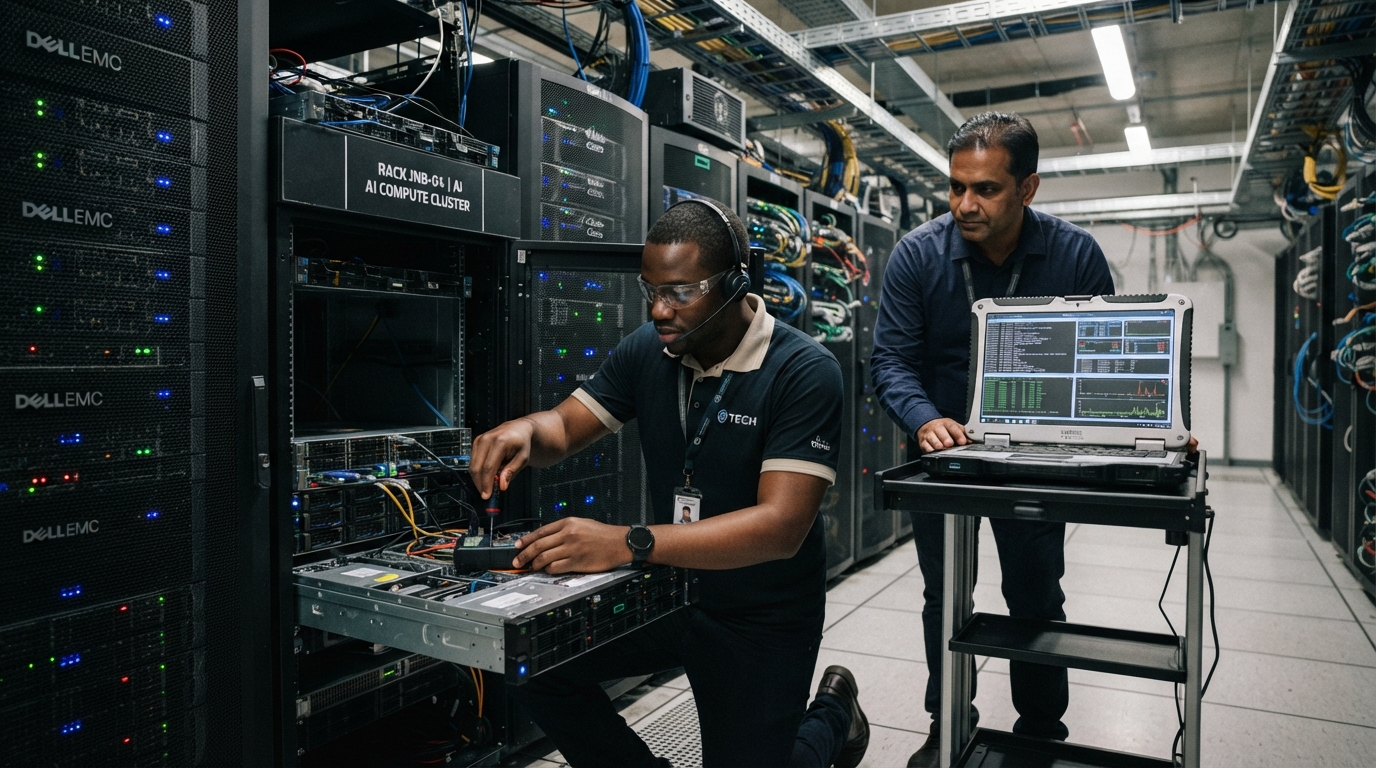
For developers, access to cutting-edge GPUs is paramount for training sophisticated machine learning models. Nvidia's hardware dominates this space, and any geopolitical instability impacting its supply chain could lead to increased costs, delays in acquiring crucial equipment, or even restrictions on certain technologies. This necessitates a strategic awareness of global tech geopolitics and encourages exploring alternative cloud providers or hardware solutions to mitigate future risks.
Businesses, particularly AI startups and enterprises building data-intensive solutions, rely heavily on robust data centre infrastructure and secure hardware supply. This incident underscores the importance of stringent due diligence not just in financial partnerships but also in assessing the cybersecurity and geopolitical resilience of their technology partners and supply chains. It highlights the potential for increased scrutiny on data centre operations and calls for robust data governance frameworks to ensure sovereignty and security, potentially accelerating investment in local, secure infrastructure.
For universities and research institutions, international collaborations are vital for advancing AI research. The current climate could lead to more stringent requirements for data sharing, intellectual property protection, and technology transfer in cross-border projects. It also stresses the importance of investing in local computing resources and fostering a strong cybersecurity posture within academic environments to safeguard sensitive research and intellectual property, while continuing to advocate for equitable access to global AI tools and knowledge.
This global geopolitical play serves as a potent reminder for the African AI community to build resilient, secure, and strategically aware ecosystems that can navigate the complexities of international tech competition.
Source: BBC Technology
South Africa Solidifies Position as Continental AI Contender Behind Mauritius
The Oxford Insights AI readiness index ranks South Africa second on the continent, showing momentum in research and infrastructure but a talent gap to close.

AI's Touch on Timeless Tales: How Generative Tech is Remaking Gaming's Classics
Explore how AI is transforming game remakes, from Zelda to local studios. Discover AI's impact on asset creation, design, and South Africa's growing game…
Microsoft Fuels African AI Innovation with Strategic Research Grants
Microsoft's AI Economy Institute offers up to $75,000 in research grants, fueling African AI innovation. Explore the impact for SA developers, businesses, and…